How to dress kids for camping in the Fall
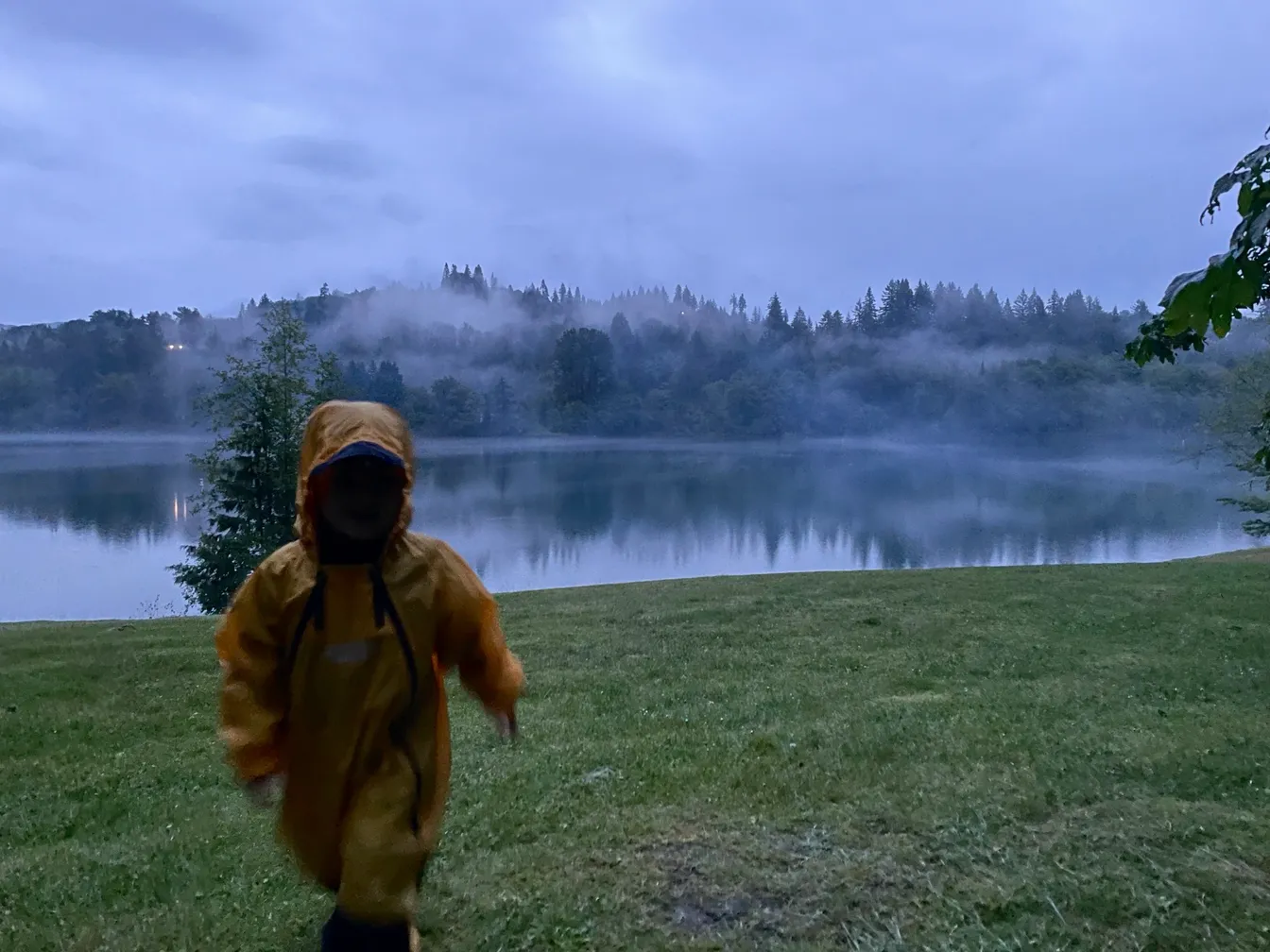
Camping in the Fall is the perfect way to experience a quieter side to camping with kids, as long as you have the right clothing to avoid everyone melting down and your trip ending early. This guide will help you keep your kids warm and dry from head to toe, so everyone has a great camping trip.
Head
The best hat for kids camping in the Fall is the one they’ll actually wear. A hooded mid-layer can also do this job, but if rain is forecasted you’ll want something with a bill that can keep the rain off their face. Just make sure you measure your kiddo’s head and check the size charts before you buy a hat, because there can be a lot of variation and some kids will fit into adult sized hats.
Toddler: The JAN & JUL Waterproof Rain Hat for Toddlers and Kids is fleece lined and waterproof, with an adjustable chinstrap and elastic, to make sure you don’t have to buy a new rain hat every year. This is rated down to -5°C / 23°F and so it’s designed to hold up well for Fall camping trips.
Elementary: For bigger kids, we recommend the Sunday Afternoons Ultra Adventure Storm Hat in size S/M. If you’re looking for something a little smaller, the Outdoor Research Seattle Rain Hat - Kids’ is specifically designed to fit kids and keep their heads dry.
Base layers
If you’re expecting temperatures below 50 degrees, we highly recommend packing base layers. We usually reach for a blend between merino wool and a synthetic material to reduce the chances of it being itchy for kids but still get a lot of the benefits of wool. Whether you need a baselayer top, bottom, or both is going to depend on the warmth of your jacket and pants. If your kids wear traditional hiking pants, they might be thin enough to warrant a bottom baselayer where a top might not be needed.
Toddlers and Babies: For the smallest babies, we like the Patagonia Infant Capilene® Midweight Set which goes all the way down to newborn sizes and up to 18-24M. It’s also available as just the bottoms: Baby Capilene® Midweight Bottoms.
Another great midweight base layer set (top and bottom) which fits 12-18M all the way up to 14Y is the Reima Taitoa - Kids’ Merino Wool & Lyocell Base Layer Set. Reima has multiple types of baselayers for kids, and they make great hand-me-downs due to their durability.
Elementary: For bigger kids, we also like Patagonia’s Kids’ Capilene® Midweight Bottoms.
Also don’t forget underwear. We don’t have any specific recommendations for underwear but a camping trip without extra underwear sounds rough, so make sure you bring it!
Mid layer
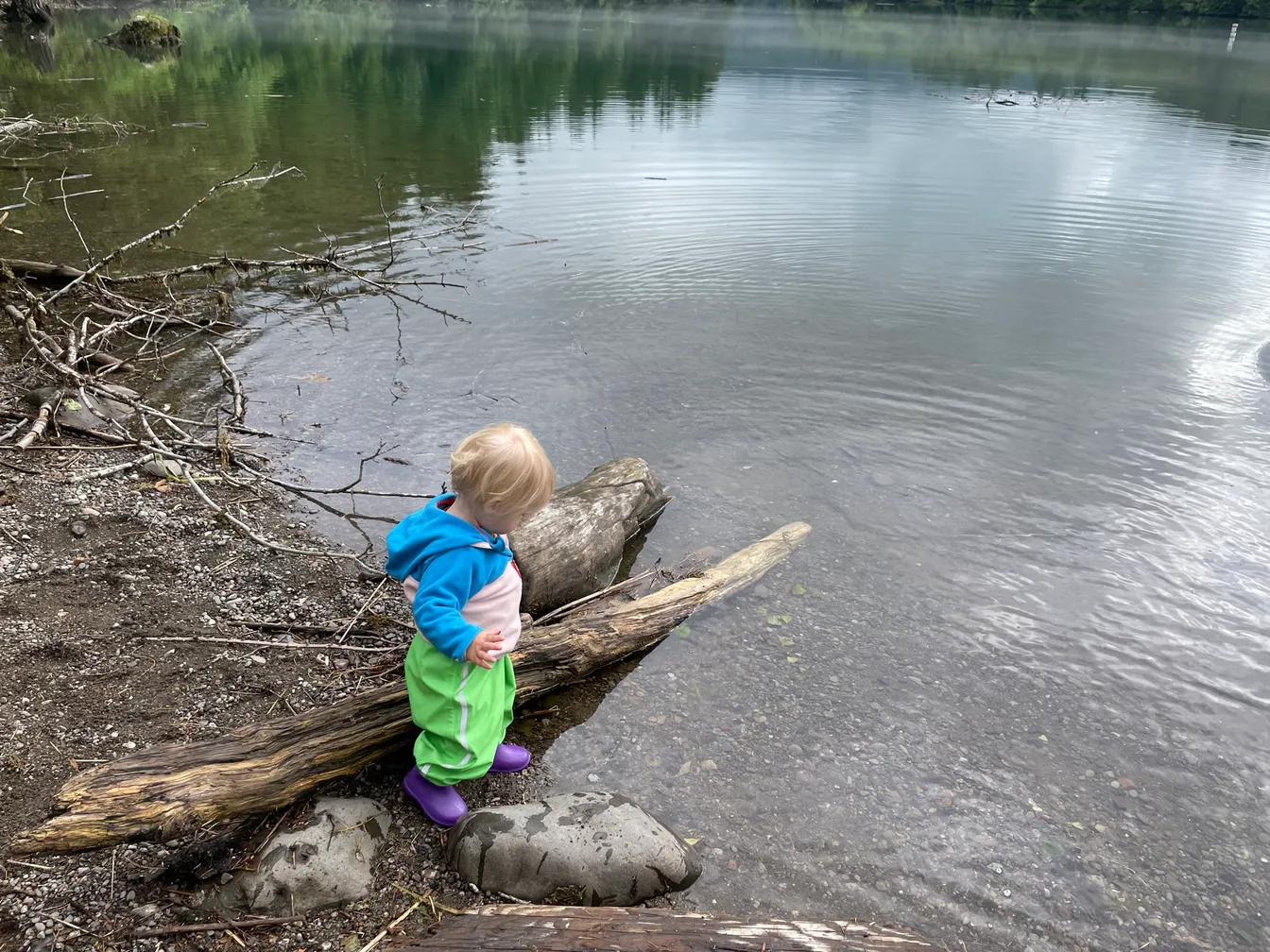
Mid layers trap warmth and give that cozy feeling on a chilly morning or after the sun goes down.
Toddlers: We love the Patagonia Baby Micro D Snap-T Fleece Jacket for being the absolute comfiest, toddler-approved zip-up fleece jacket. This one is great for riding in the car since it’s so thin, but does a great job at keeping kids warm too. It has many uses beyond camping as well, and will make those Fall photos really pop with the fun color options.
Elementary: Just like the baby version, the Patagonia Kids’ Micro D Snap-T Fleece Jacket is a great every day fleece for kids from age 5 up to 18 (check the size chart!). This is not a bulky/heavy fleece, but instead a nice, thin, warm layer. Older kids are likely to stay up later when the temperature drops off faster, and for that you might want to pack a thicker fleece or hoodie.
Outer layer (shell)
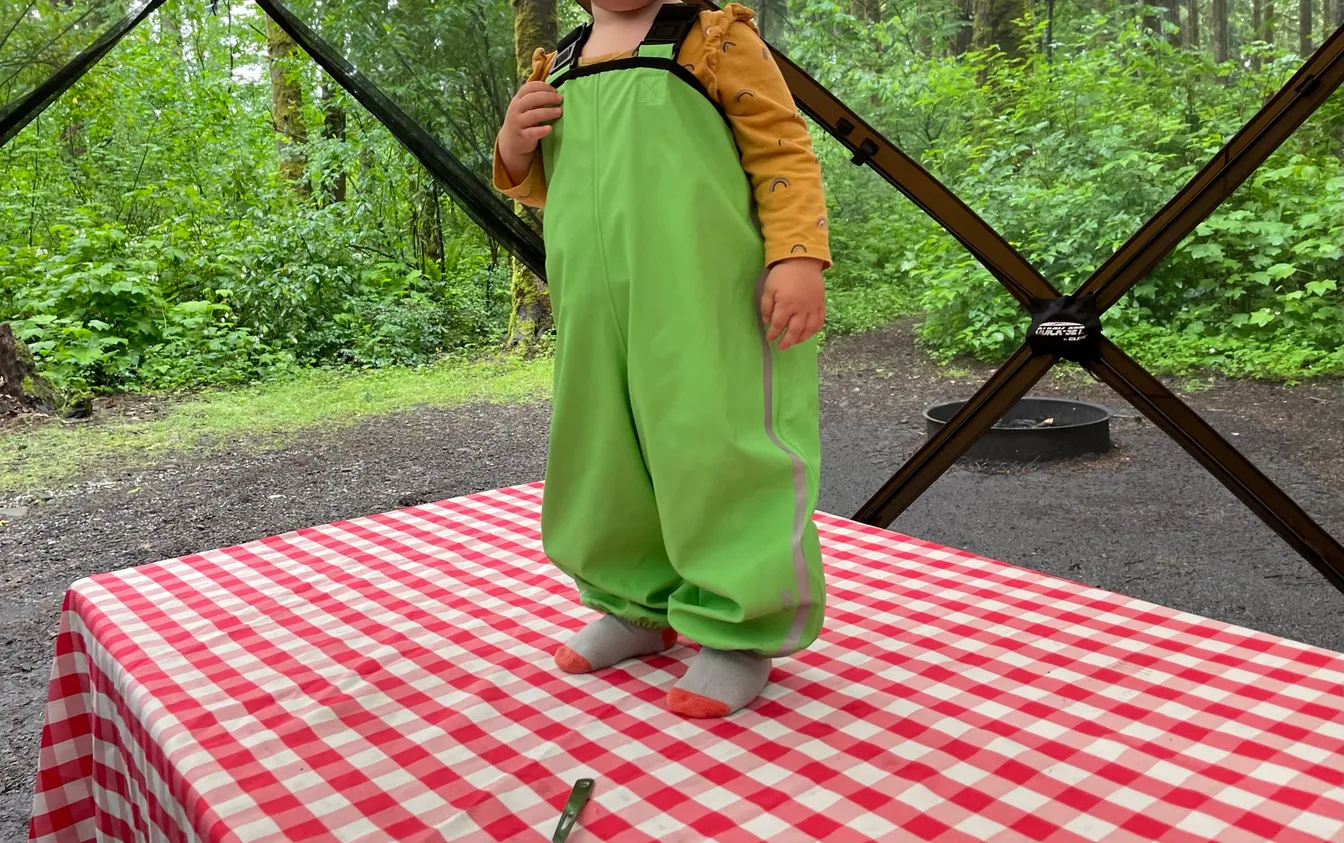
Shells are a necessary part of Fall camping to keep out the wind and rain. You want something waterproof, and make sure you follow the instructions on how to wash it with a tech wash (e.g. Nikwax Tech Wash) to keep it waterproof. Bright colors are best for safety to make sure vehicles can easily see them around the campground loop.
Toddlers and Babies: For your youngest campers, rain suits that go head to toe with a big zipper are your best bet. The Tuffo Muddy Buddy Kids Waterproof Rain Suit One-Piece Coverall is a tried and true option known to survive multiple years of camping, daycare, playground hangs, etc. If you don’t need a full suit, the Reima Lammikko - Kids’ Rubber Rain Pants are a great alternative that pair well with any jacket and have reflective strips for visibility. If you want to go really fancy with something that combines waterproofness and insulation, the Reima Marte Mid Jumpsuit is a great choice at a higher price point.
Elementary: At some point, your kids will start saying things like “rain-suits are cringe” and you’ll have to move on to separate jackets and rain pants. The Reima Lampi Rain Jacket is a great option, rubber-coated and easy to wipe down after a muddy day. Some kids prefer a jacket with a bit of insulation, and so their plain old winter jacket might be worth bringing as well.
Hands
It can take a long time to warm up cold hands on kids when outside, and so it’s best to stop them from getting cold in the first place. For toddlers, mittens are the way to go because they keep all the fingers warm together and you don’t have to struggle to get their fingers into individual glove pockets. The Reima Puro Rain Mittens work for toddlers through elementary age — they’re rubber-lined and long-cuffed so they tuck into the jacket sleeve and handle wet mornings. They run big, so size down. For older kids who need more dexterity, the Reima Tehden - Kids’ Softshell Gloves are water resistant and warm enough for Fall without being as bulky as mittens.
Legs
We’ve already covered base layers for legs above, so the next question is what to put on top of the baselayer. Any kind of hiking pants or sweatpants will work for this. If you’re packing rain pants or a rain suit, you might be able to skip this layer too depending on the temperature. For hiking pants, search for “quick dry”.
Toddlers: If your toddler loves to crawl around in the dirt, climb over rocks, and needs a strong, hiking pant, you should consider the Patagonia Baby Outdoor Everyday Pants. The bottom legs have cuffs so you can get them a little longer than you need without worrying about them dragging. Pants like this make the most sense if you’ll have uses for them regularly outside of camping, since kids this age grow so fast.
Elementary: Rain pants like the Columbia Trail Adventure II Rain Pants - Kids’ are great for letting kids sit down wherever they want without worrying about whether it’s wet or not. Wear them over other pants or their base layer.
Feet
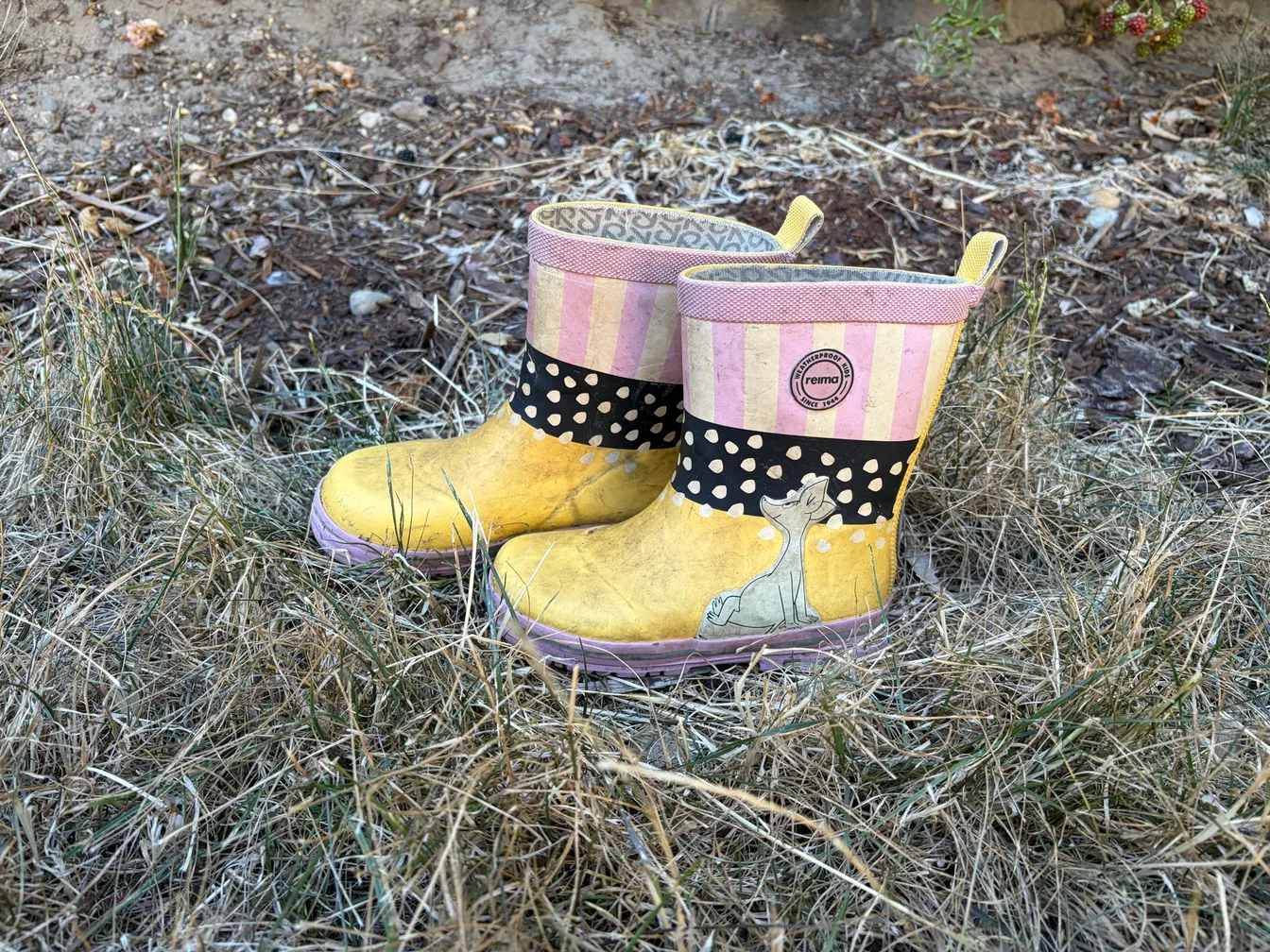
Keeping feet dry is critical while camping. Your trip will be ruined if all you have are wet shoes and wet socks left. Always put fresh socks on at bedtime to ensure trapped moisture doesn’t cause cold feet in the middle of the night.
Socks: You cannot pack too many socks. You cannot pack too many socks. You cannot pack too many socks. It’s better if you can pack wool socks, but if you decide to just pack the cotton every-day socks then at least take our advice and bring around 5 pairs per day per kid. If you’ve seen your kid come back to the tent to change socks and then climb back out of the tent straight into a puddle with fresh socks and no boots then you understand what we mean.
For toddlers, the Reima Karkuun Socks are merino and sized for small feet. For older kids, the Darn Tough Kids Quest Quarter Lightweight Hiking Socks are cushioned and guaranteed for life.
Shoes: Closed-toe shoes that can get wet without ruining the trip are key. Bring both hiking boots like the Merrell Chameleon waterproof hiking boots for muddy trails, and a pair of camp shoes (Crocs, slides) for around the campsite while it isn’t raining. For trips where you don’t plan to do a major hike, rain boots like the Reima Magisk Moomin Rain Boots will work instead of hiking boots for toddlers. Keep their regular shoes somewhere in the car too just in case water manages to sneak its way inside the boots.
Sleeping
One of the best things about camping off season is that the sun actually goes down at a reasonable time and so you can keep a normal bedtime without the sun blasting into your tent or RV.
Babies and Toddlers: Under 2, a sleep sack like the Woolino 4 Season Ultimate Baby Sleep Sack is a great way to know they’re staying warm even when they roll around. As they get a little bigger, a sleep sack with legs can be a really great option like this baby deedee Sleep Kicker - Fleece Sleep Sack w/Feet which is fleece so you know it will stay dry.
It always gets colder in the middle of the night, and so we recommend going to bed with a plan to add a layer (blanket, closing sleeping bag, etc.) while they’re sleeping. Toddlers especially don’t always do the best job at staying in their sleeping bags, and so it’s better if you can dress them so they’re warm enough while falling asleep to not even have their sleeping bag. It’s a careful balance to make sure they aren’t overheated and sweating though, so check them periodically by feeling their neck to see if they’re too hot or cold.
Elementary: Bigger kids can have a lot more flexibility in what they sleep in. Avoid cotton and always put on fresh clothes before getting into the sleeping bag. Sleeping directly in a base layer is a decent option, and you probably don’t need to buy special pajamas just for camping. In the Fall, make sure you check the low temperature in the forecast and pick a sleeping bag rated at least 10 degrees colder than that. REI has multiple options for sleeping bags for kids at different temperature levels, such as the Kindercone 25 Sleeping Bag. Go for a synthetic sleeping bag with kids to make sure things stay fully dry.
Packing
Print out a packing checklist or download our free app Chickadee Camping (Camping Checklist & Meal Plan) to make sure you remember to pack all the clothing you need to have a great camping trip.
There are a few methods to organizing clothes, but one that we like is keeping full outfits together rather than packing all the individual pants, shirts, socks, etc. together.
Happy Camping!